♡ Free Resource: Get the Sweet Start Pricing Kit and start charging with confidence today! Get the Free Kit
Start Here

SweetTube Academy

Cottage Food Laws by State: The Complete Guide (2026)
♡ Free Resource: Get the Sweet Start Pricing Kit and start charging with confidence today! Get the Free Kit
Cottage Food Laws and Licensing

Cottage Food Laws by State: The Complete Guide (2026)


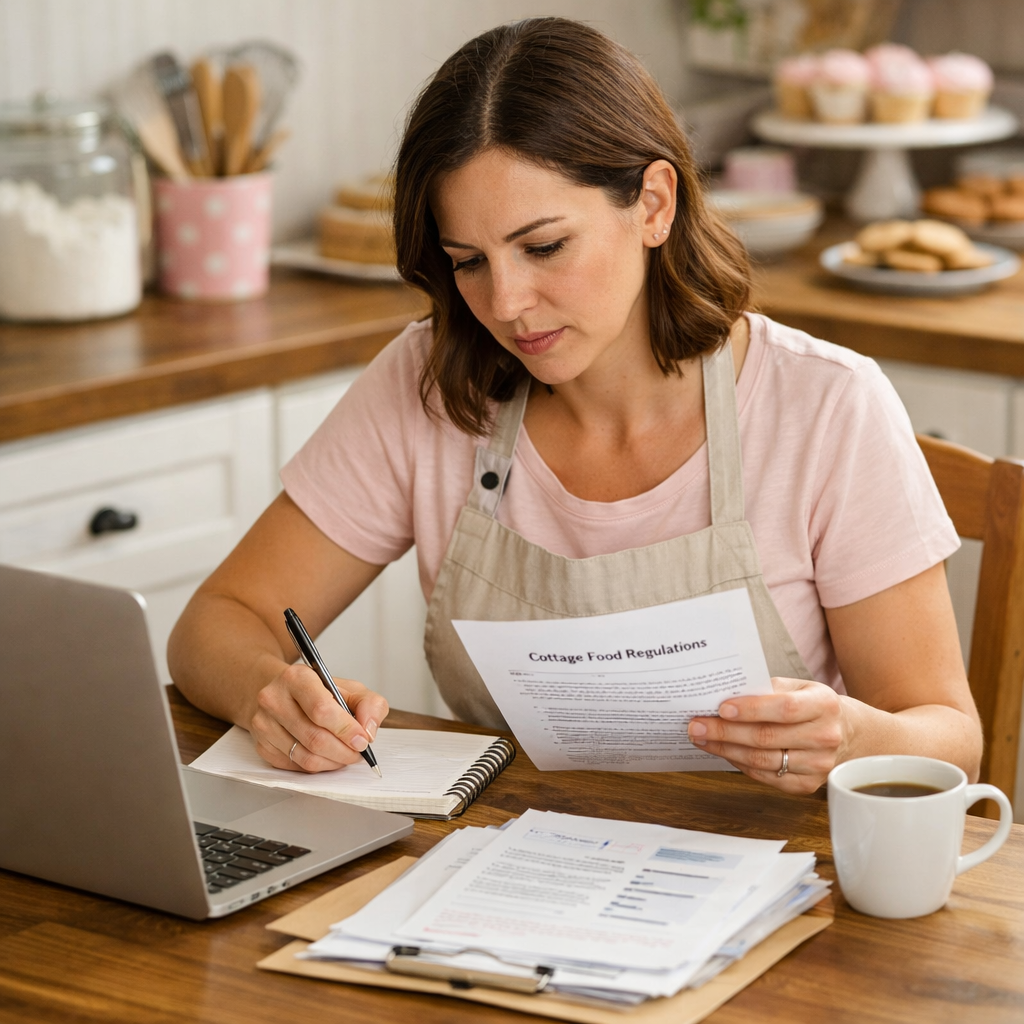
Home baker reviewing cottage food law regulations at her kitchen table

Your complete 2026 state-by-state guide to cottage food laws

Before you sell your first box of cookies, brownies, or artisan bread, you need to understand the rules. Cottage food laws govern exactly what you can legally bake and sell from your home kitchen — and they vary dramatically from state to state. This guide breaks down what you need to know.


What Are Cottage Food Laws?

Cottage food laws are state-level regulations that allow individuals to produce and sell certain food products made in a home kitchen — without the licensing requirements of a commercial food facility. They exist to lower the barrier to entry for small, home-based food businesses.

The name comes from the idea of a “cottage industry” — small-scale, home-based production. These laws typically cover shelf-stable, low-risk foods like baked goods, jams, and candies, but the specifics differ wildly by state.

Key Takeaways

  • Cottage food laws vary by state — there is no federal standard
  • Most states allow baked goods, jams, candy, and other shelf-stable foods
  • Revenue caps range from $25k to unlimited depending on your state
  • Some states require permits or registration; others need nothing
  • Online and indirect sales are allowed in some states, prohibited in others
  • Labeling requirements almost always apply — even for informal sales

The 6 Dimensions That Matter

When evaluating your state’s cottage food law — or comparing states — focus on these six dimensions:

  • Permitted Foods — What categories of food can you legally sell? Most states allow shelf-stable baked goods and jams; fewer allow anything with meat, dairy, or refrigeration.
  • Sales Channels — Can you sell direct-to-consumer only (farmers markets, roadside)? Online? Through retailers? Wholesale?
  • Revenue Caps — Many states cap annual gross sales. Caps range from $25,000 to unlimited (no cap).
  • Labeling Requirements — Nearly every state requires a label with your name, address, product name, ingredients, allergens, and a “made in a home kitchen” disclaimer.
  • Permits & Registration — Some states require a permit, license, or registration with the state dept of agriculture. Others require nothing beyond making and selling.
  • Kitchen Inspections — A minority of states reserve the right to inspect your home kitchen. Most do not inspect at all.
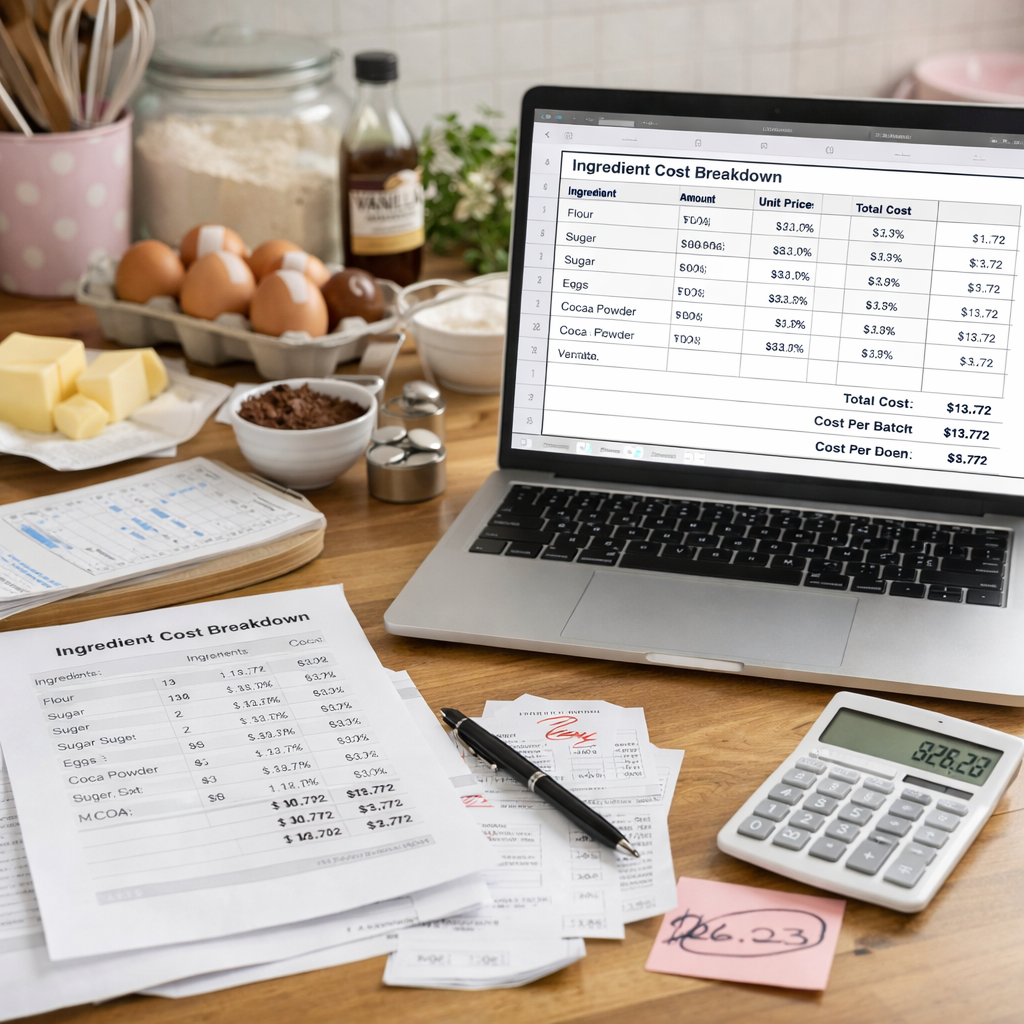
Home baker calculating ingredient costs and pricing for her cottage food business


“What’s perfectly legal in Texas could get you fined in Pennsylvania. Know your state before you sell a single cookie.”

Cottage Food Laws by State

Here’s a quick-reference breakdown of cottage food laws for 10 major states. Use this as a starting point — always verify current rules with your state department of agriculture.

Texas
Revenue Cap
None
Sales Channels
Direct + Online
Permit Required
No

One of the most permissive states. Online sales and third-party delivery allowed. No cap on annual revenue. Baked goods, jams, candy, roasted nuts, and more are all permitted.

California
Revenue Cap
$75,000 (Class B)
Sales Channels
Direct + Online (Class B)
Permit Required
Yes (Class B)

AB 626 created two tiers. Class A (up to $50k, direct sales only, no permit) and Class B (up to $75k, online + third-party, permit required). Microenterprise home kitchen operations are registered with the county.

New York
Revenue Cap
$35,000
Sales Channels
Direct only
Permit Required
No

Covers non-potentially hazardous baked goods, jams, jellies, and candy. Must sell directly to end consumer — no retailers or online marketplaces. $35k annual gross cap.

Florida
Revenue Cap
None
Sales Channels
Direct + Online
Permit Required
No

Very broad food list — baked goods, candies, jams, fruit pies, dry mixes, honey, and more. Online sales allowed. No revenue cap. One of the friendliest states for home bakers.

New Jersey
Revenue Cap
$50,000
Sales Channels
Direct only
Permit Required
No

Passed cottage food law in 2021. Covers non-potentially hazardous foods. Must sell directly to consumers (farmers markets, home pickup). No online or third-party retailer sales. $50k cap.

Illinois
Revenue Cap
$50,000
Sales Channels
Direct + some online
Permit Required
No

Allows baked goods, jams, honey, and more. $50k gross revenue cap. Direct-to-consumer required; some internet sales permitted if the product is picked up locally. No inspection required.

Pennsylvania
Revenue Cap
None stated
Sales Channels
Direct only
Permit Required
Yes

One of the stricter states. Requires a Limited Food Establishment license. Home kitchen inspection is part of the process. Only shelf-stable, non-hazardous foods allowed. No online sales.

Ohio
Revenue Cap
$35,000
Sales Channels
Direct only
Permit Required
No

Covers shelf-stable baked goods, jams, candy, and similar products. $35k annual revenue cap. Must sell directly to end consumers — no internet marketplace sales. No permit needed.

Michigan
Revenue Cap
$25,000
Sales Channels
Direct only
Permit Required
No

Michigan has one of the lower caps at $25k/year. Allows non-potentially hazardous baked goods, jams, and candy. Direct sale to end consumer only. No permit, but proper labeling is required.

Georgia
Revenue Cap
None
Sales Channels
Direct + some indirect
Permit Required
No (most foods)

No revenue cap and no permit for most cottage food categories. Broad list of permitted foods. Georgia’s laws are generally favorable for home bakers. Local county rules may vary.

⚠️ Important: Laws change frequently. The information above reflects best available data as of 2026, but cottage food regulations are updated regularly by state legislatures. Always verify current requirements directly with your state department of agriculture before making any business decisions. Don’t rely solely on this guide — or any single source.

Wherever You Are, Get Your Pricing Right

Understanding your state’s cottage food laws is step one. But knowing the rules doesn’t automatically make your business profitable. The second thing every home baker needs to get right is pricing.

Underpricing is the #1 reason cottage food businesses fail. You need to account for every ingredient, your time, packaging, and any fees or permits — and still leave room for a real profit margin.
Home baker packaging baked goods for sale

Know Your Laws. Now Know Your Numbers.

BatterSuite’s recipe costing and order pricing tools are built specifically for home bakers — so you can price every order with confidence, no spreadsheets required.

Price Every Order Correctly with BatterSuite